Prodromal contractions started on Sunday evening, and Sarah's baby was born Thursday morning.
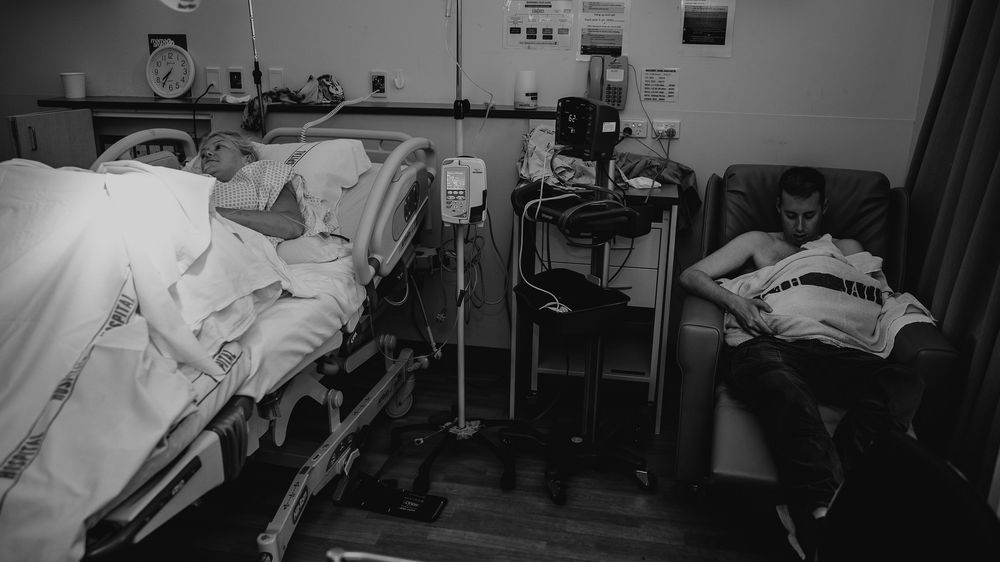
It had been a long, exhausting journey. Sarah tried everything—acupuncture, rest, all the tricks to encourage labor to truly establish—but by Wednesday night, after days of contractions that felt relentless yet weren’t quite progressing, she had reached her limit. Especially when earlier that day after seeing her midwife she was told ''she wasn't surrendering to the pain enough and that's why it wasn't progressing". No wonder she was feeling like a failure and second guessing herself.
Around midnight, she messaged me saying she wasn’t sure if she should go to the birth center yet. The contractions felt "evil," and she knew she couldn’t do another night like this. I could hear the exhaustion in her words and knew exactly how she felt—I had been in her shoes before. That feeling of helplessness, not knowing if your body is actually doing anything after days of this, wondering if you'll be sent home again. That’s why I had a strong gut feeling I should head over, even though she still seemed hesitant. I reassured her that she wasn’t alone in this and that what she was feeling wasn't 'nothing', as for myself too, those lead up contractions were no joke!
Relief at 8cm
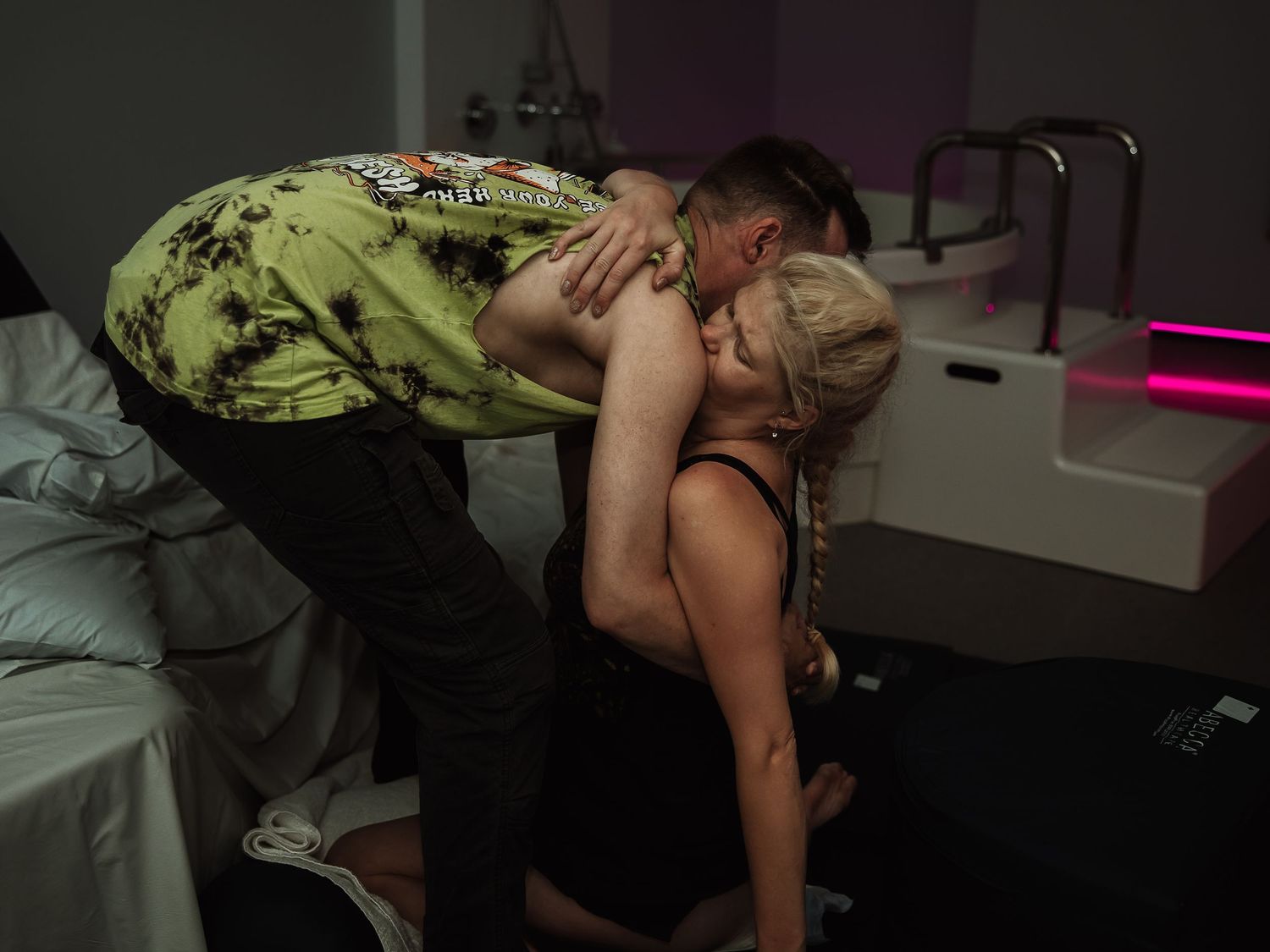
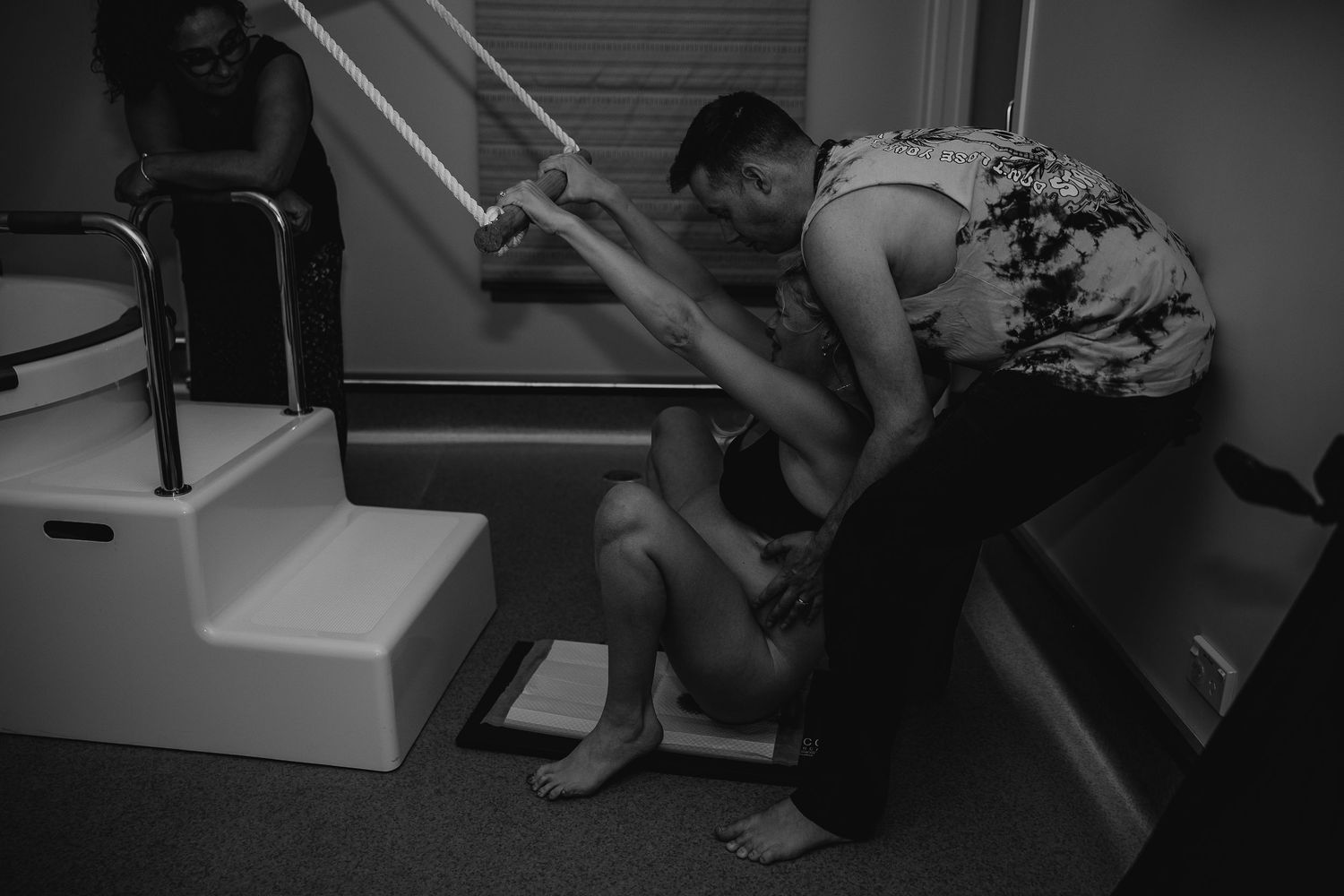
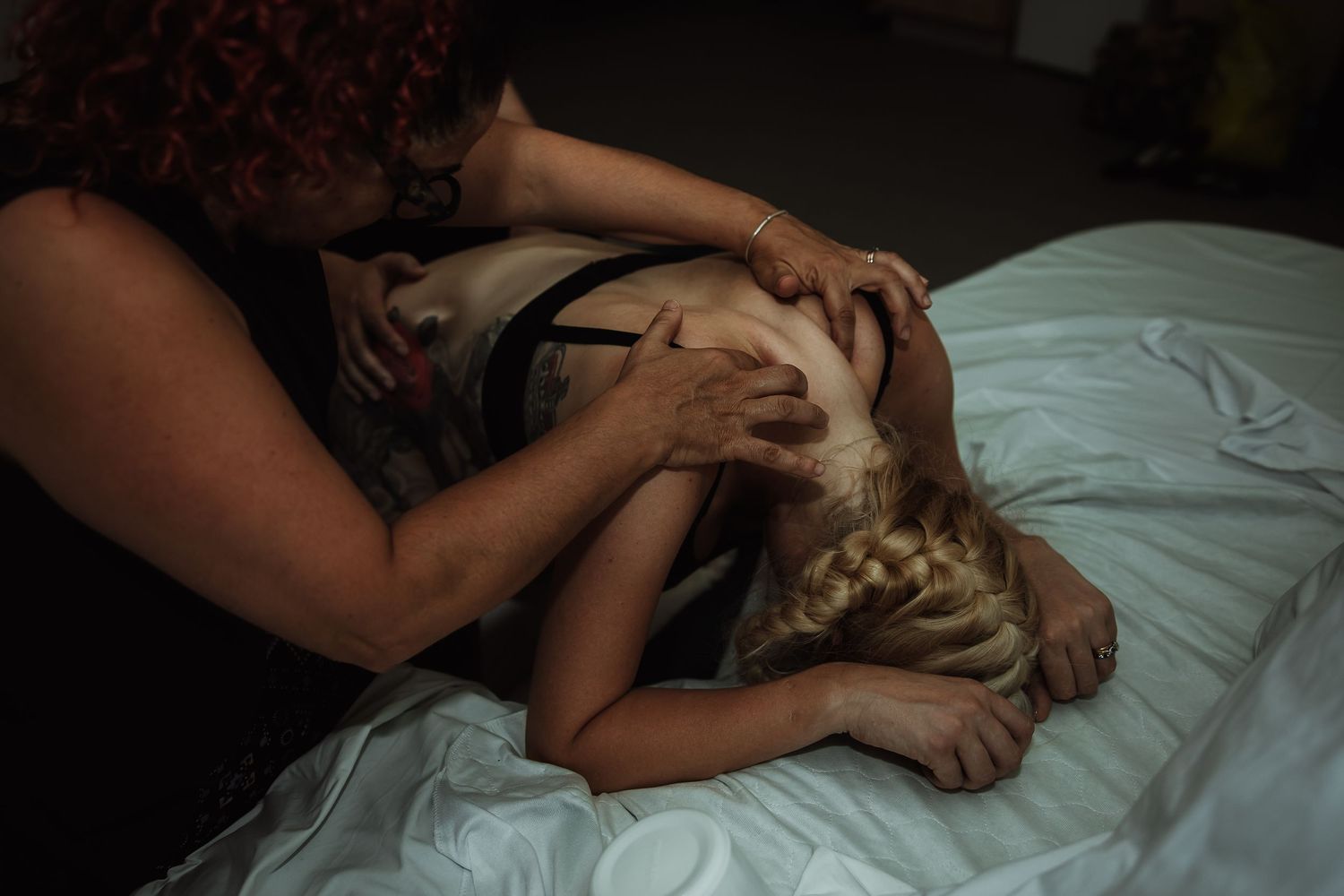
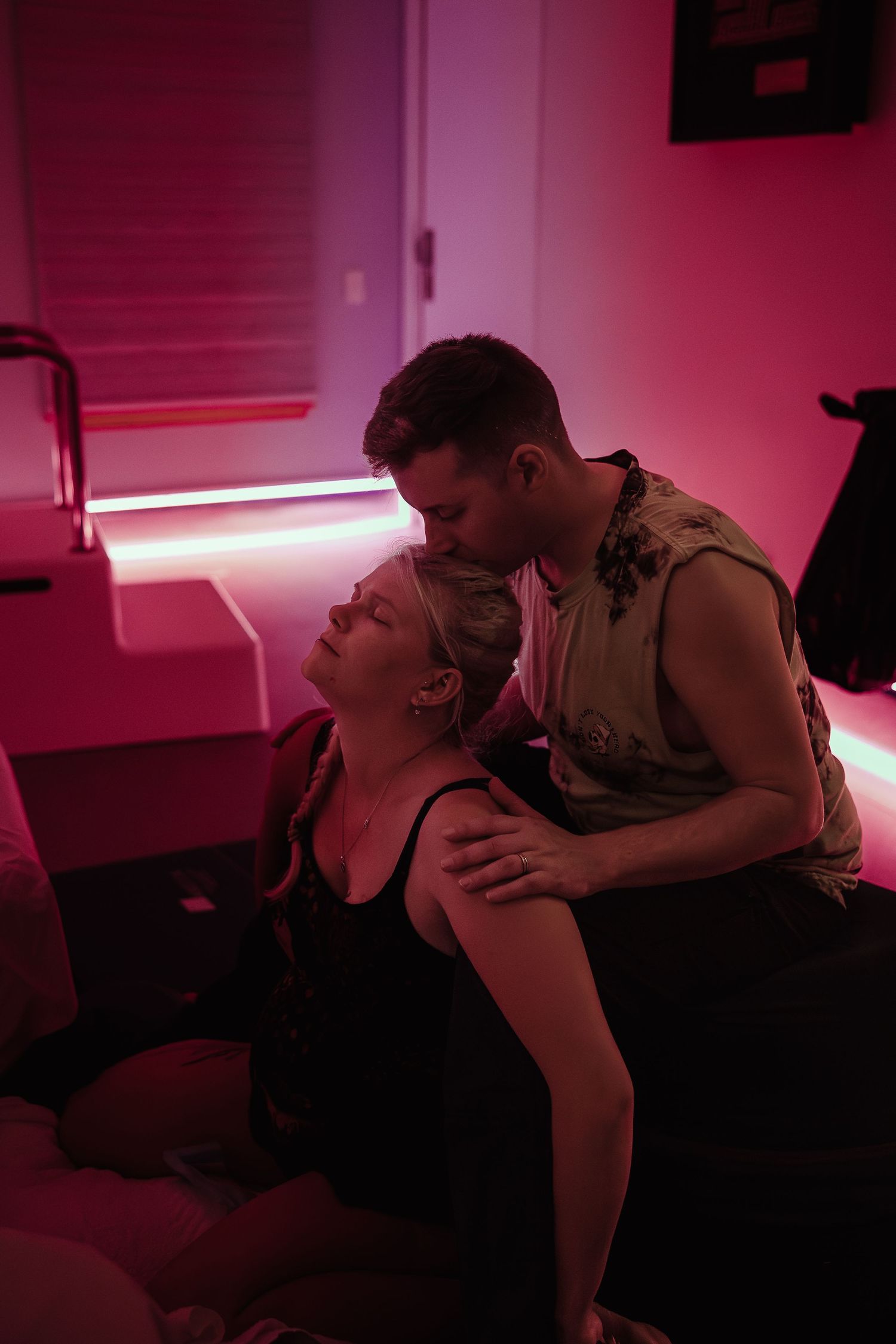
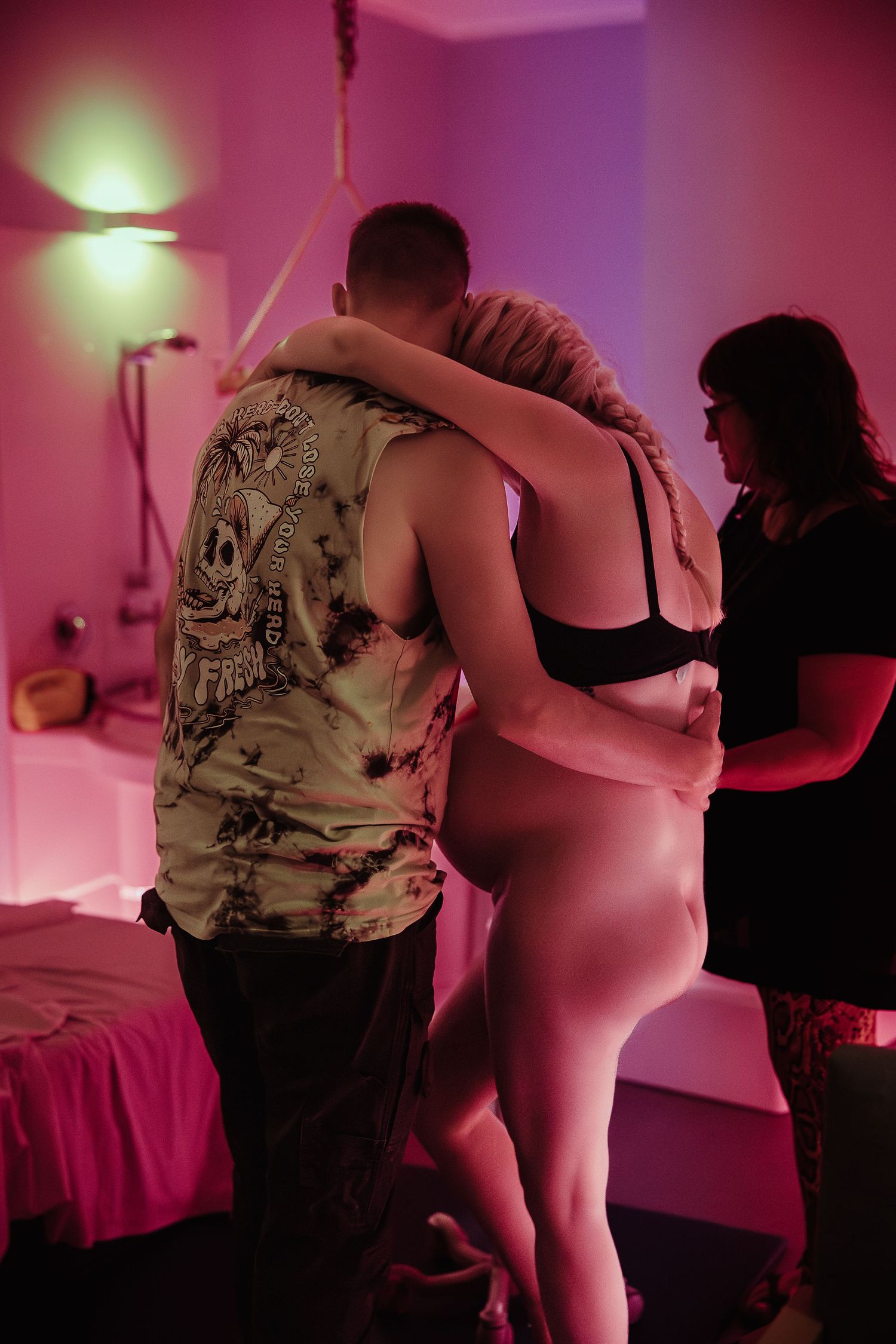
When they arrived at the birth center, she was relieved to find she was already 8cm. Finally, all the unknowns disappeared—her body had been working all along. When I walked into the dimly lit room about 30 minutes later, I was so happy for her. She was doing lean-over inversions with the midwife and her partner supporting her. The birth pool had been filled, and there was talk of using it, but between all the movement, different positions, and adjustments, she never quite made it in. The Birth care room had the option of changing the colour of the lights, and with pink known to encourage oxytocin, the whole room had a beautifully calming pink tone. It was so nice being in the dimly lit pink room, but my gosh it was incredibly hard to edit the photos afterwards to give more natural tones!
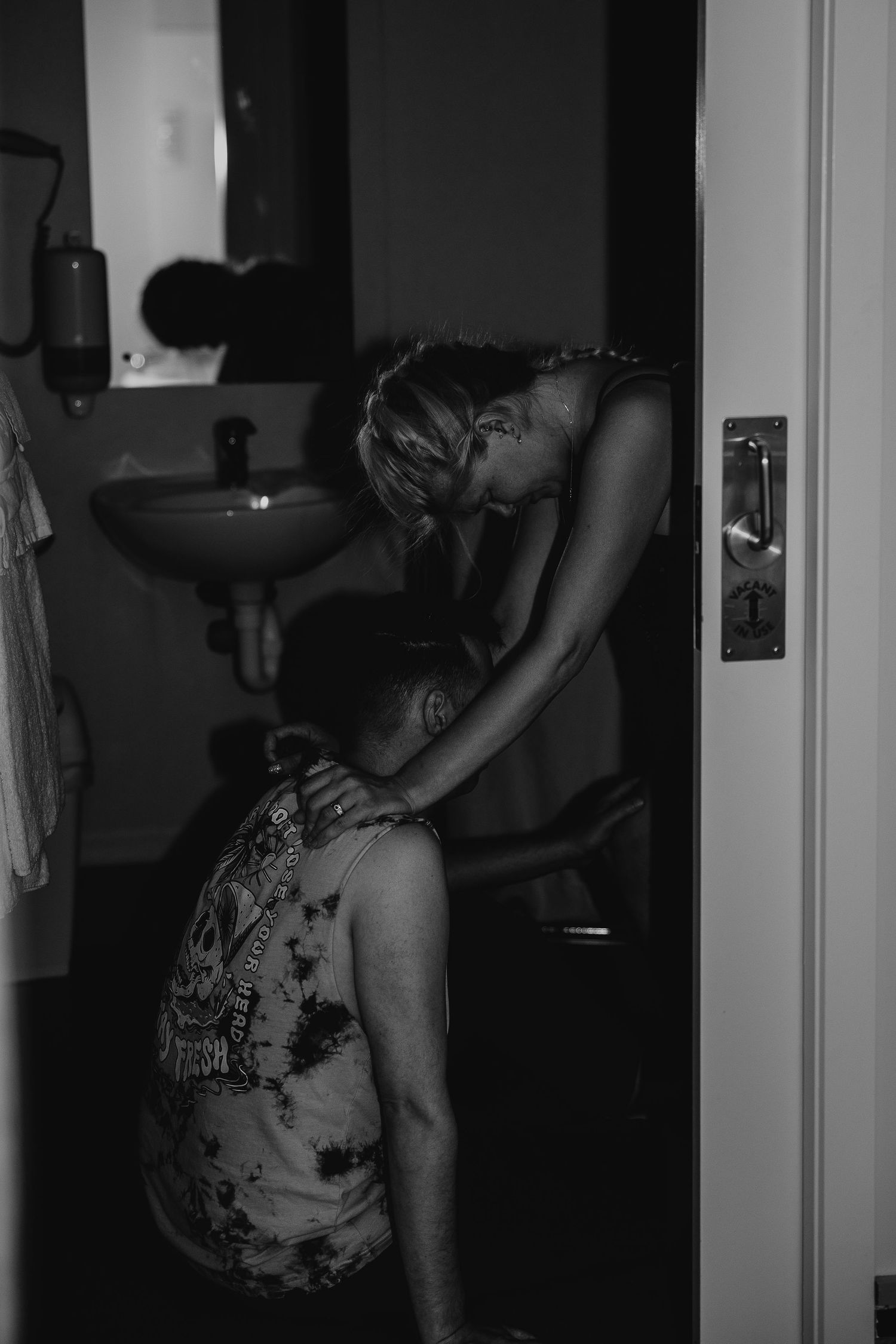
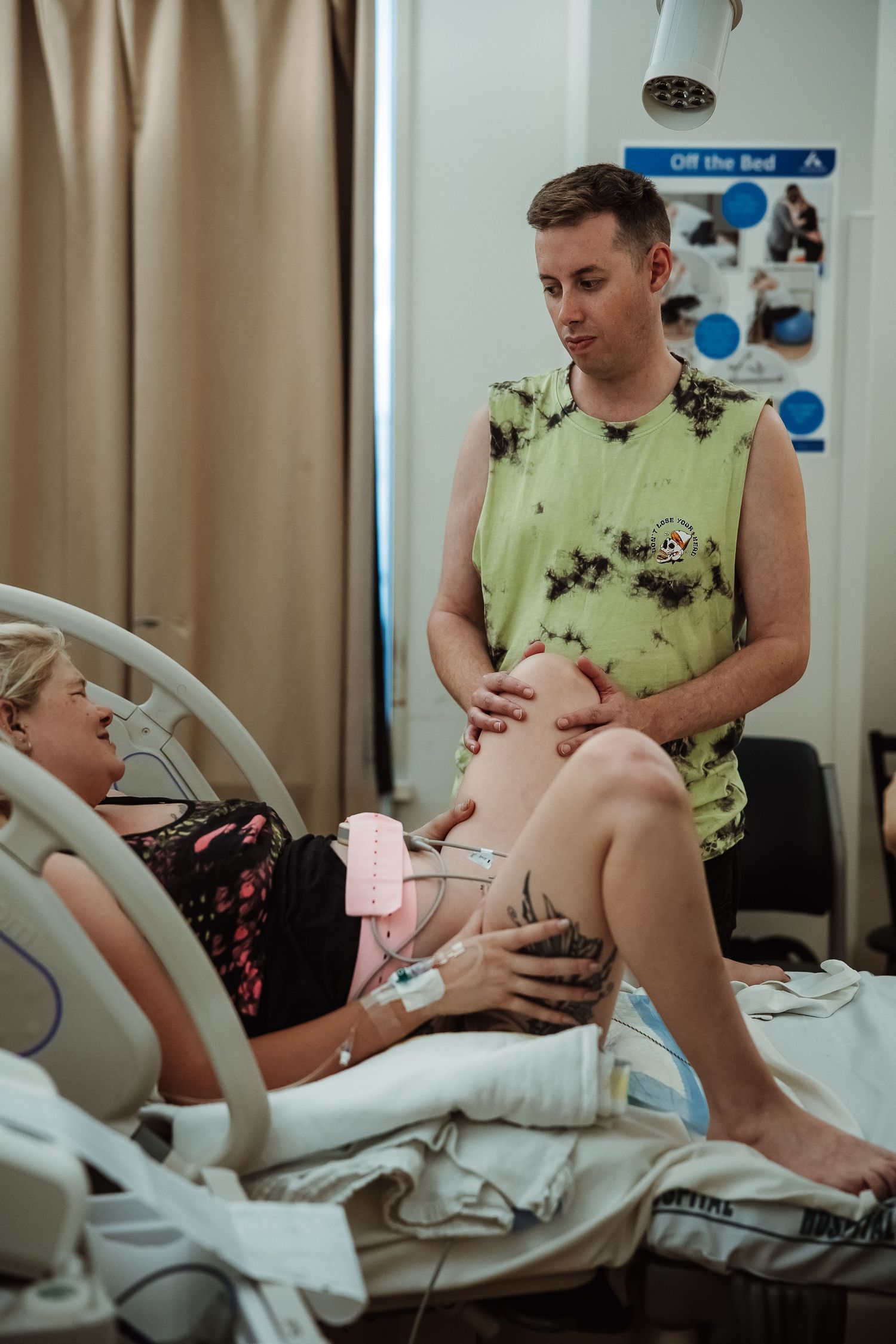
Sarah labored with incredible strength, moving between sitting on the toilet (the "dilation station"), leaning over soft blocks, walking, lunging, and swaying. Her partner was incredible—holding her through positions suggested by the midwife, offering her sips of water, making sure she had everything she needed. I captured a photo that I love—Sarah completely wrapped around his neck, with him holding her entire weight, steady through a contraction.
Digging Deep Through Transition
As the contractions intensified, her vocalizing grew stronger. She wasn’t loud, but she wasn’t silent either—just the deep, instinctive sounds of a laboring woman working with her body.
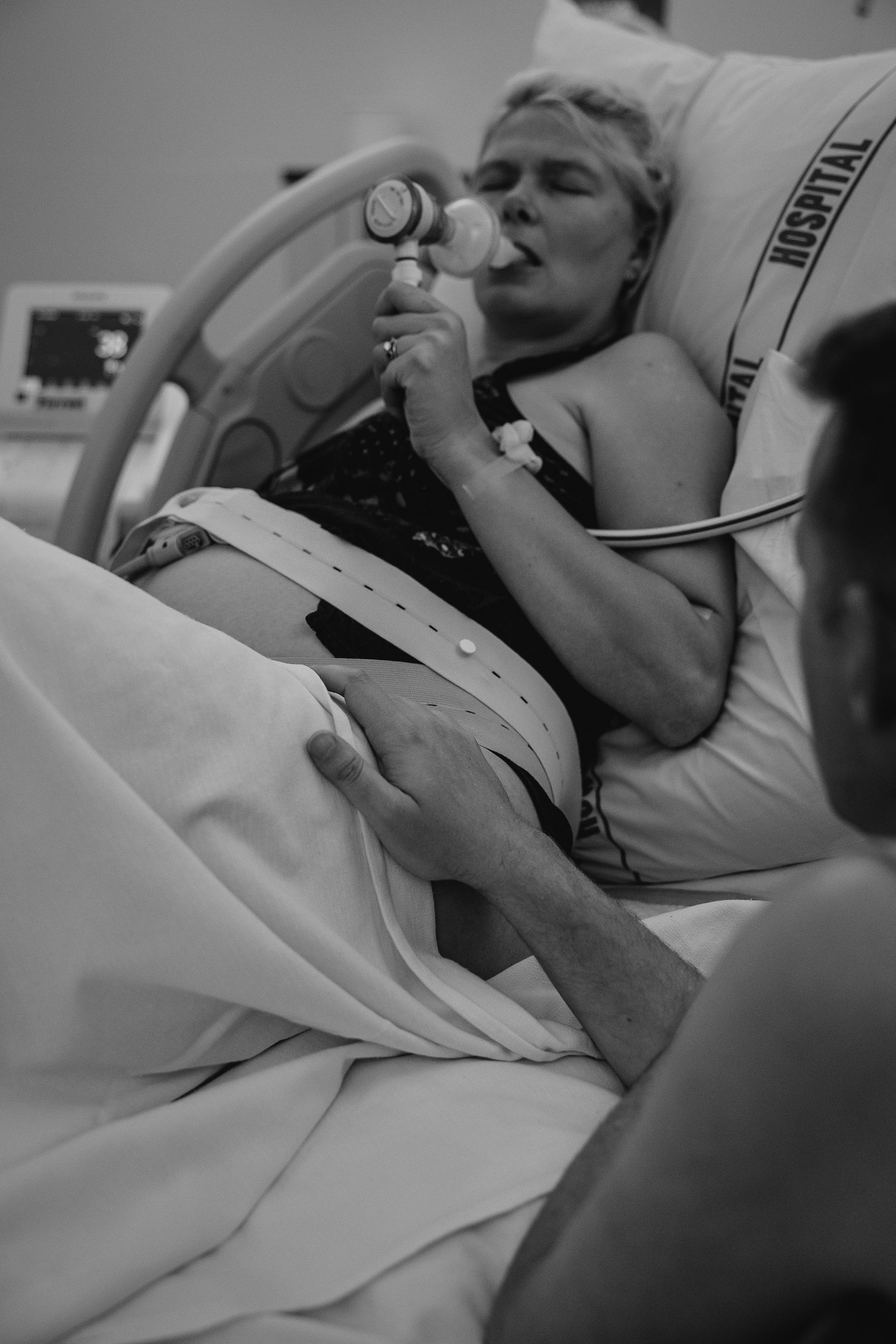
The hardest part came when she was asked not to push after about an hour of pushing, as the midwife suspected there was a small cervical lip in the way. I could hear the strain in her voice—not pushing was so much harder than pushing. She tried gas for pain relief at this point, and I could see how much she had to dig deep to get through it.
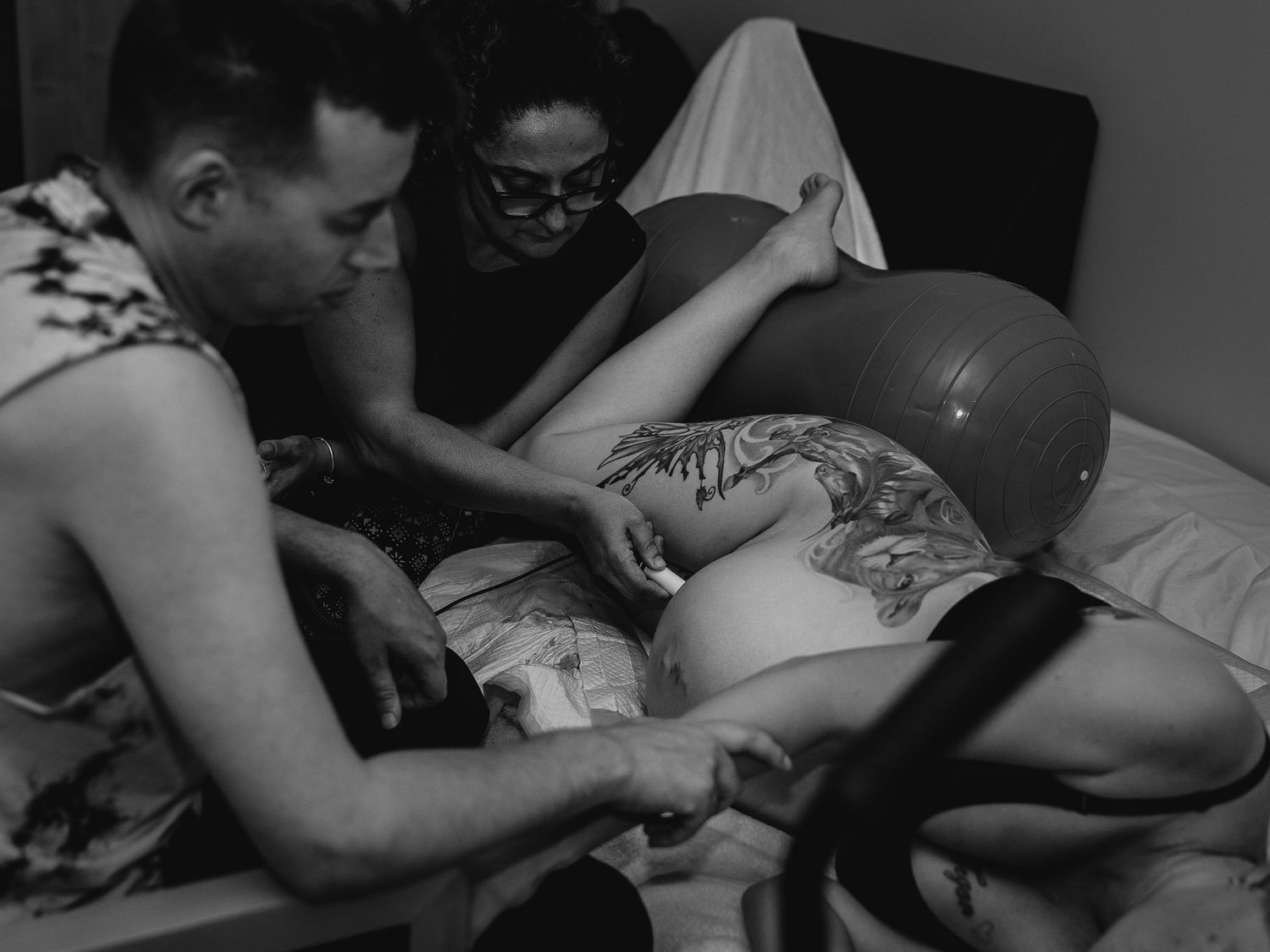
Her contractions, which had been steady when I arrived, started slowing down, and she got longer breaks between them. Transition was giving her body time to prepare for the next stage. When she finally felt the urge to push again, the midwife checked and confirmed she was fully dilated. She tried everything—pushing on the toilet, squatting using a hanging ladder, side-lying with a peanut ball, sitting upright in bed. Each position seemed to help, but the baby just wasn’t descending as much as they hoped.
The Transfer to Hospital
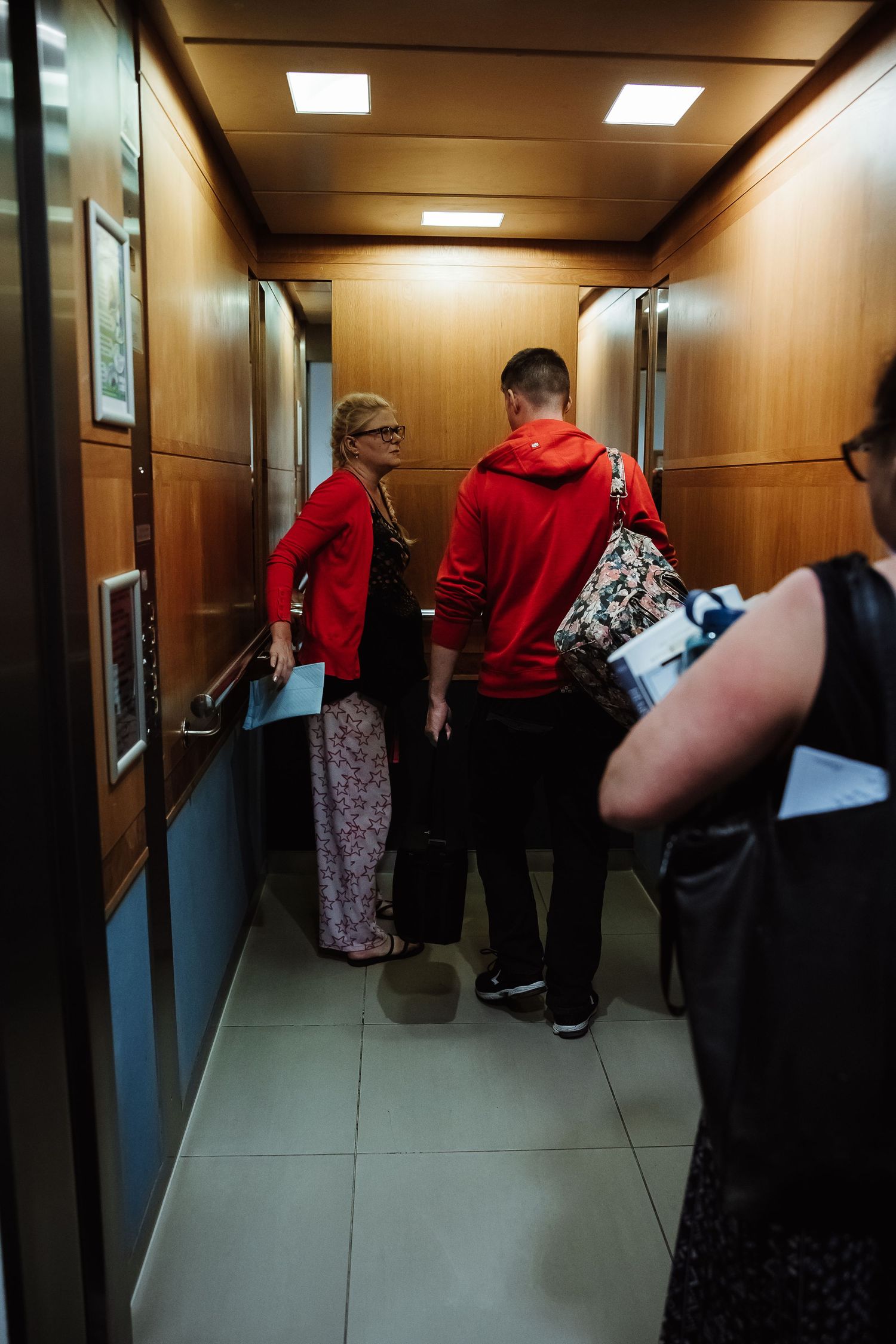
After exhausting every option, the midwife gently told her they had a time limit before they’d need to transfer to the hospital. I felt the shift in the room—the disappointment, the frustration, the deep breath before accepting the next step. But Sarah stayed so calm. After two hours of pushing with no baby yet, she simply gathered her things and walked out the door, determined to meet her baby soon.
She and her partner rode with the midwife to the hospital while I followed. When we arrived, her partner told me, "That was the longest five-minute drive of my life. The speed bumps—oh my gosh—I felt every single one." I can’t even imagine how that must have felt for Sarah, with a baby’s head sitting low between contractions.
The Final Push
The hospital room was a stark contrast to the dim, peaceful birth center. Brighter, more clinical—but still, the staff were wonderful. They spoke calmly, explained everything, and commented on how well she was handling contractions. Even I thought to myself at some points 'is she actually fully dilated' as I had never seen someone so calm after hours of pushing and being fully dilated. She said they felt more uncomfortable now rather than painful, and she still thought some of those prodromal contractions earlier in the week had been worse. She was exhausted, just going through the motions now, agreeing to whatever needed to happen to get her baby here safely.
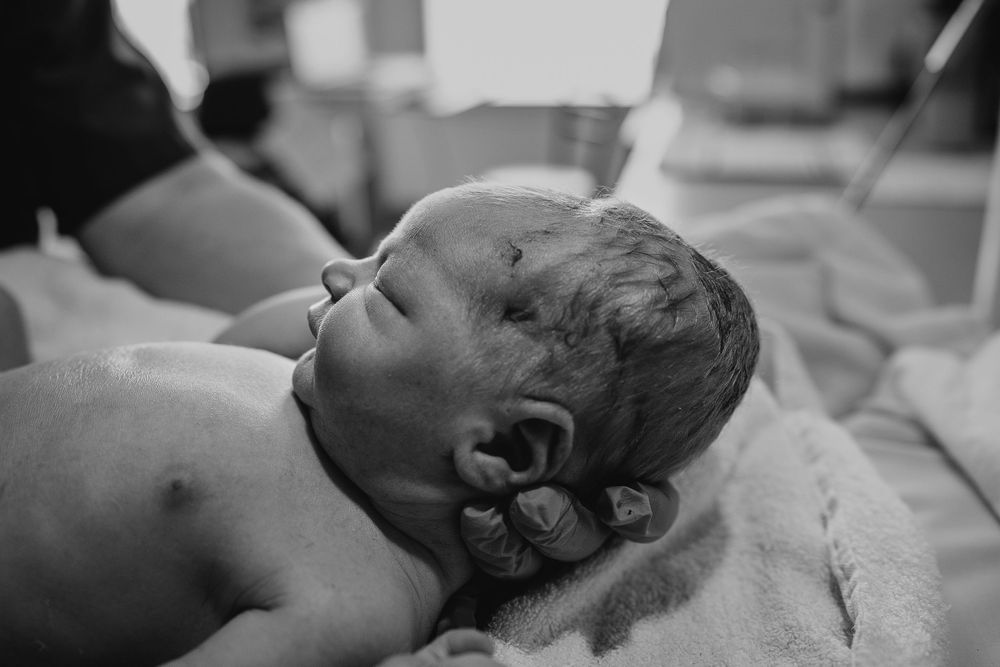
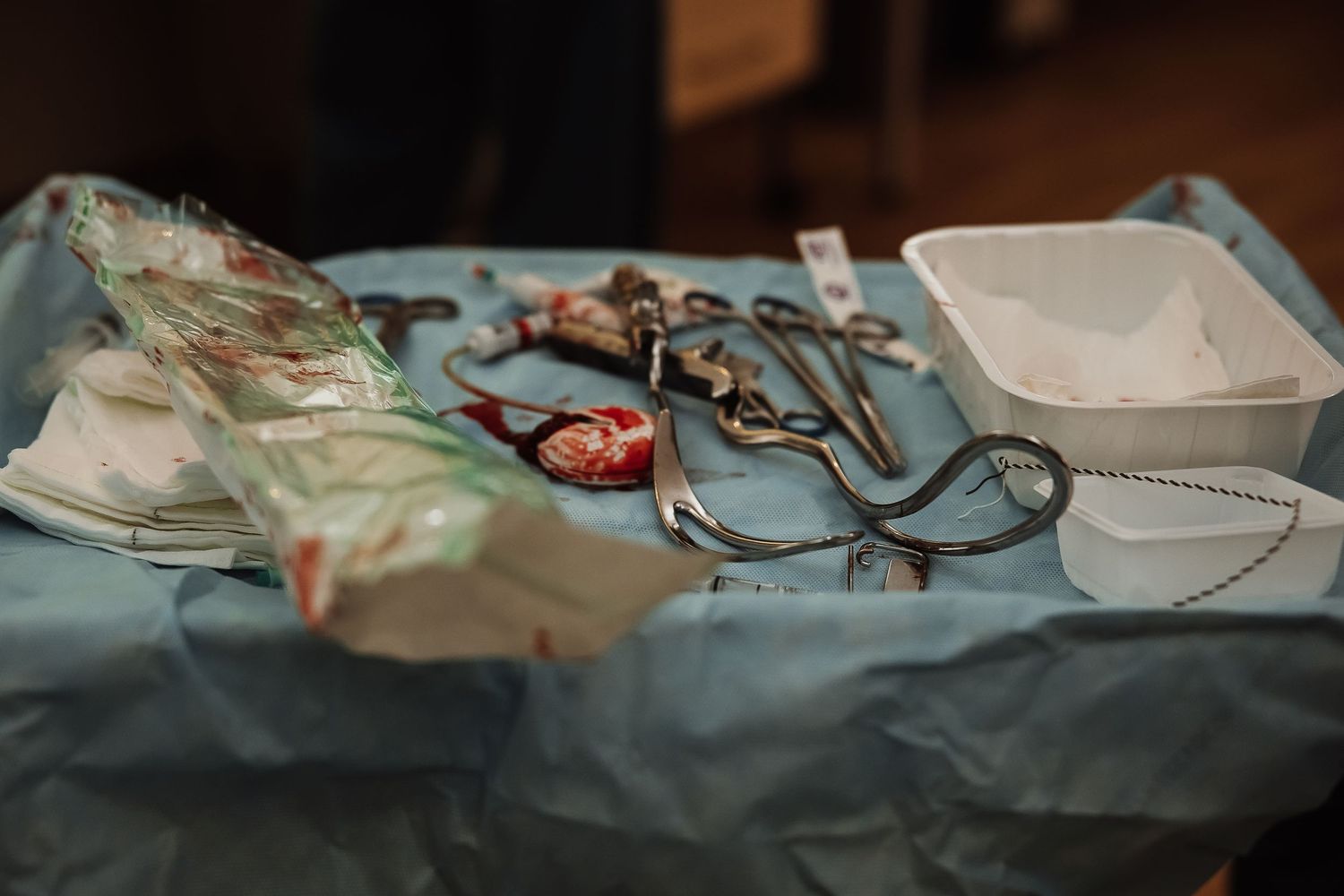
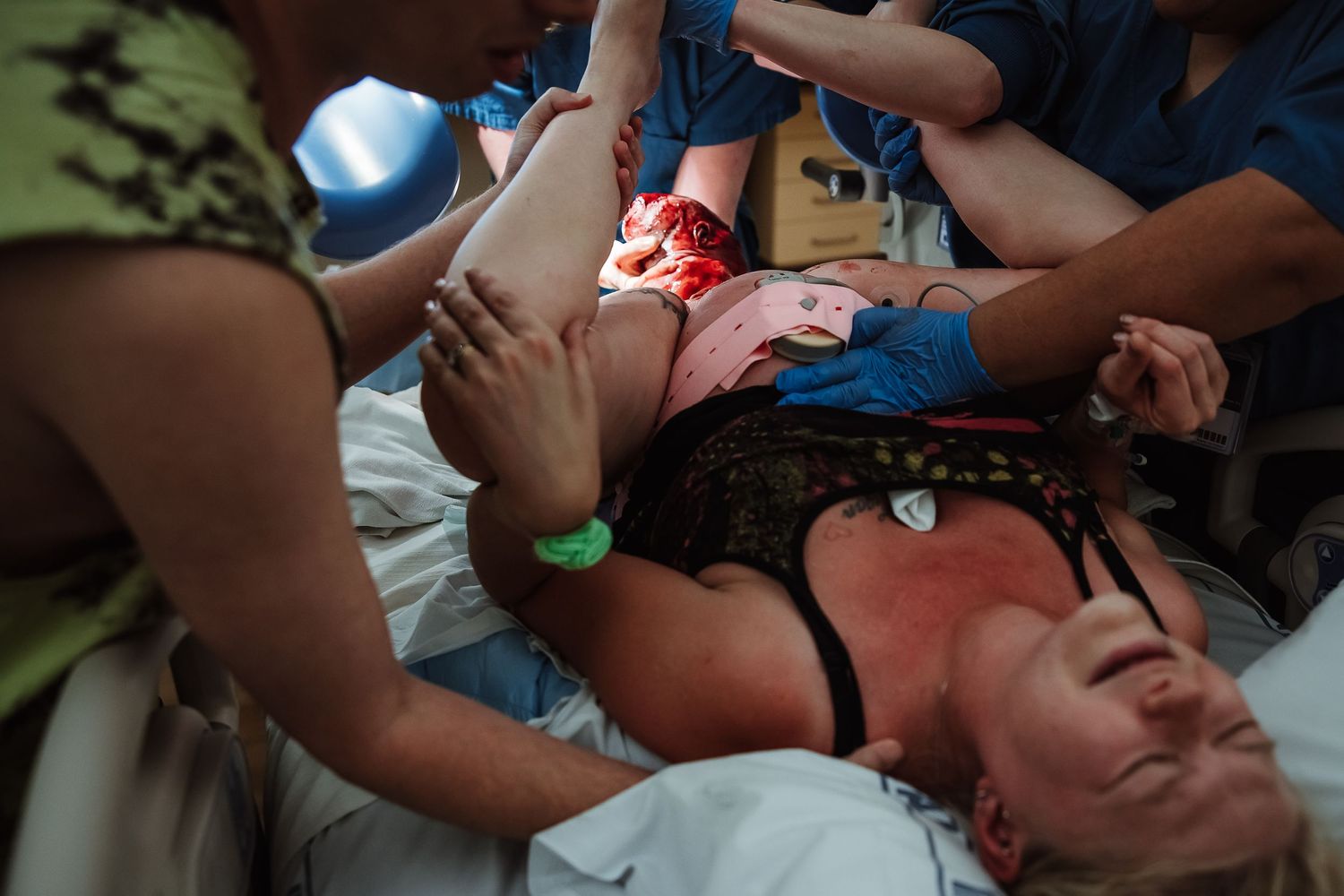
They tried the vacuum first, and I was honestly shocked at the force needed to pull—but baby was still too high. The charge midwife made a quick decision, and on the next contraction, they used forceps. At the same time, an assistant performed an episiotomy. Dad told me later he couldn’t believe the strength they had to use to get baby out—it’s not something you can prepare to witness.
That final push was intense. Sarah vocalized through it, and then suddenly—it was quiet. The bustle of the medical team, the tension of the room, all holding its breath for that first cry. And then it came. The relief was immediate, and I felt the tears well up in my eyes as I saw Dad’s do the same.
A Tender First Meeting
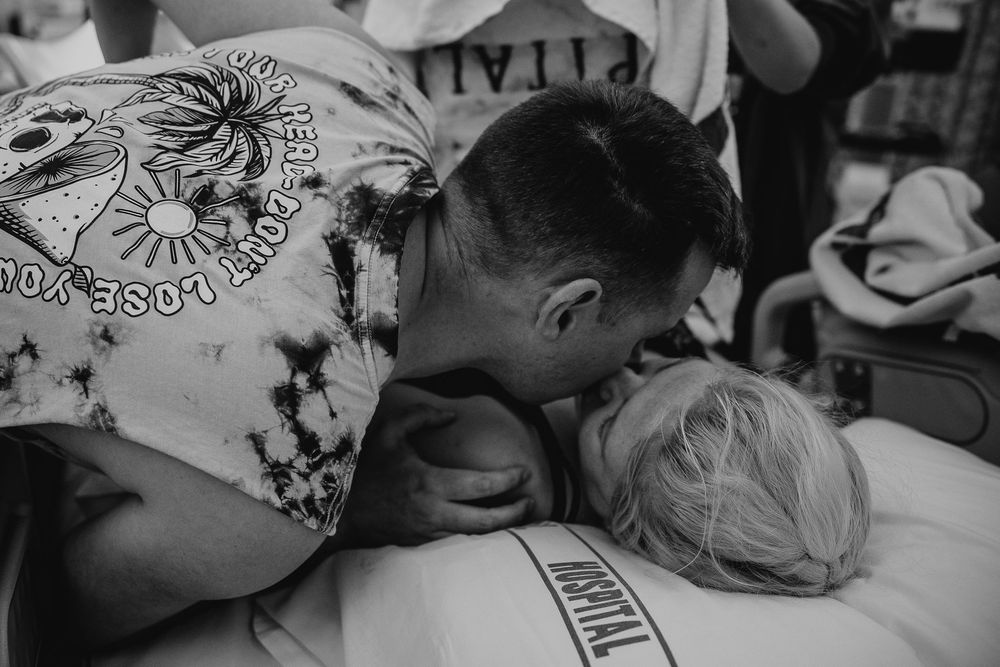
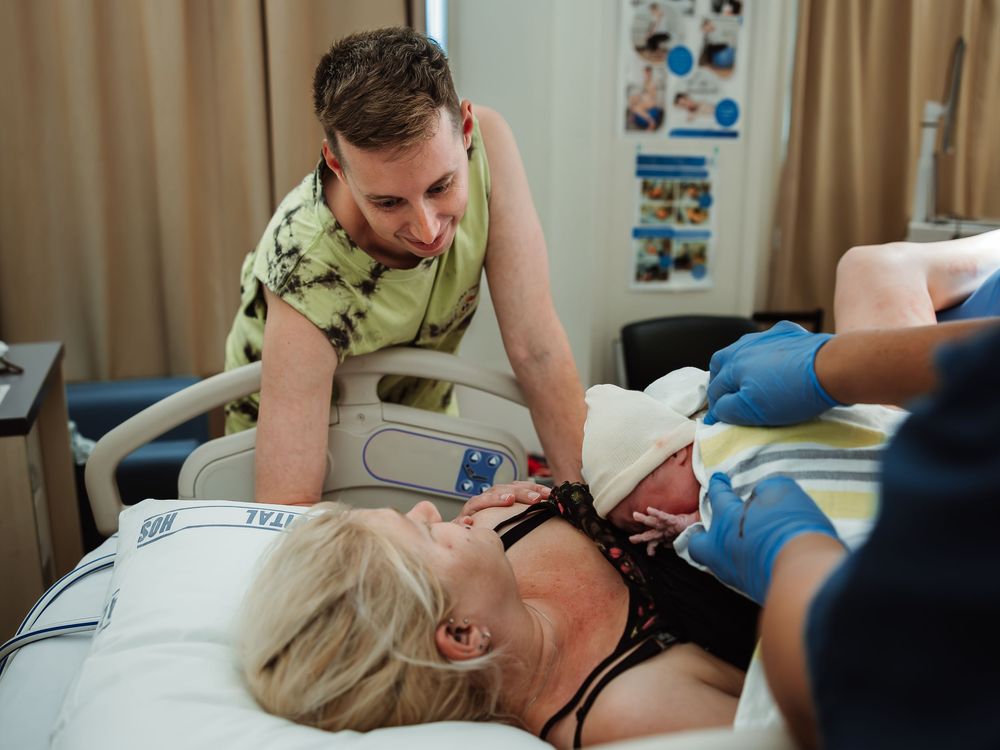
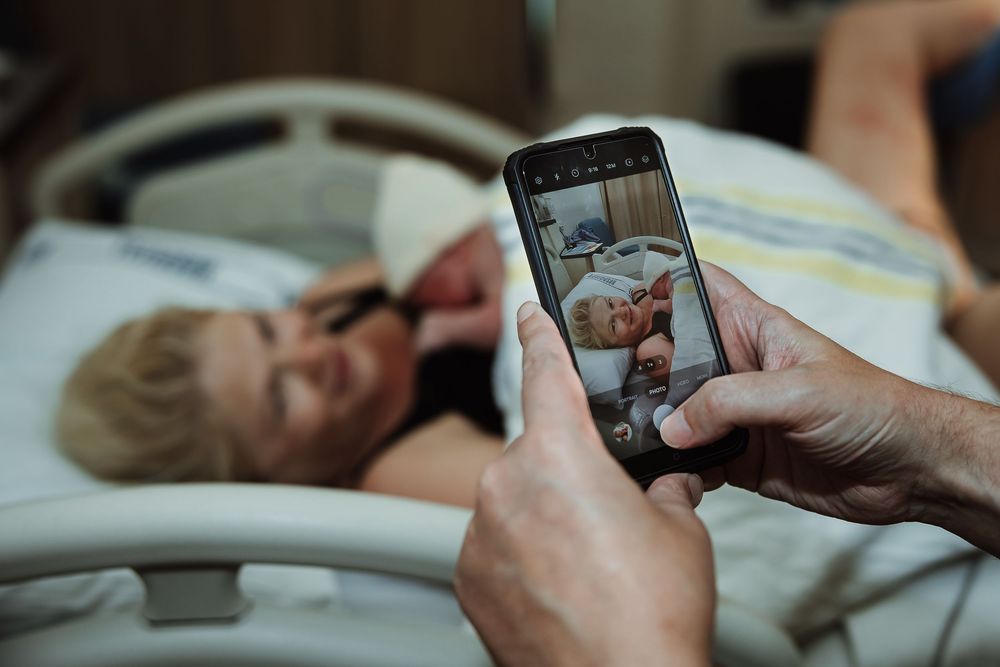
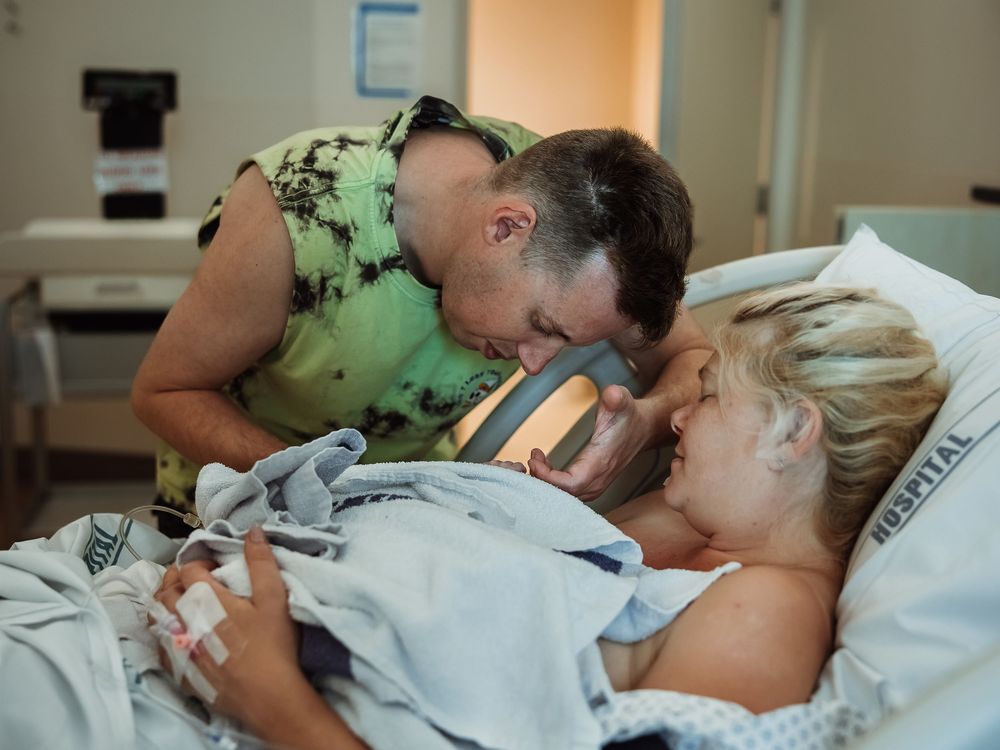
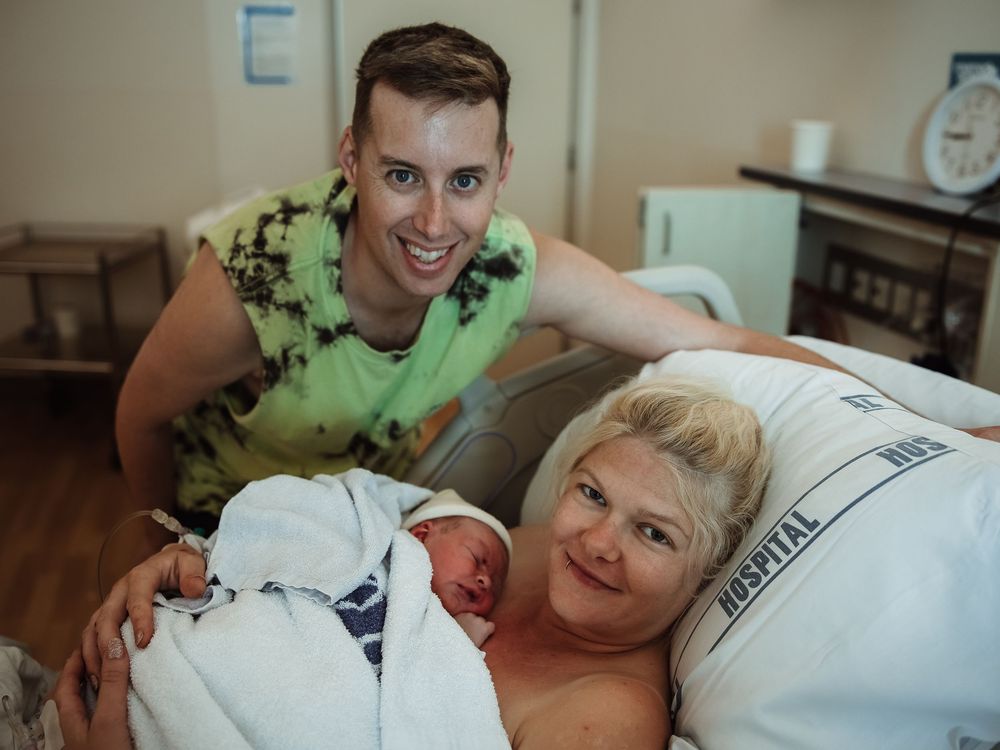
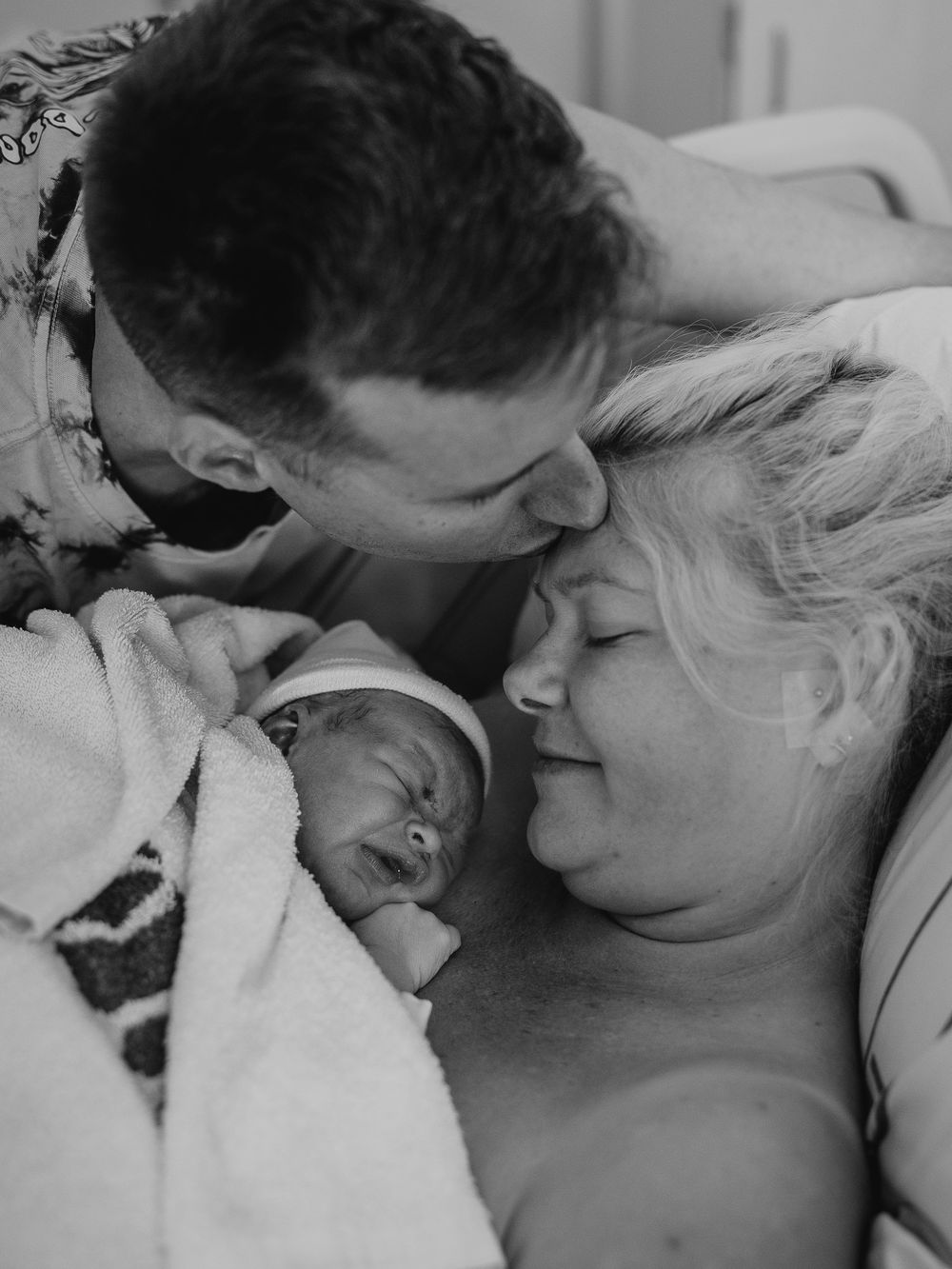
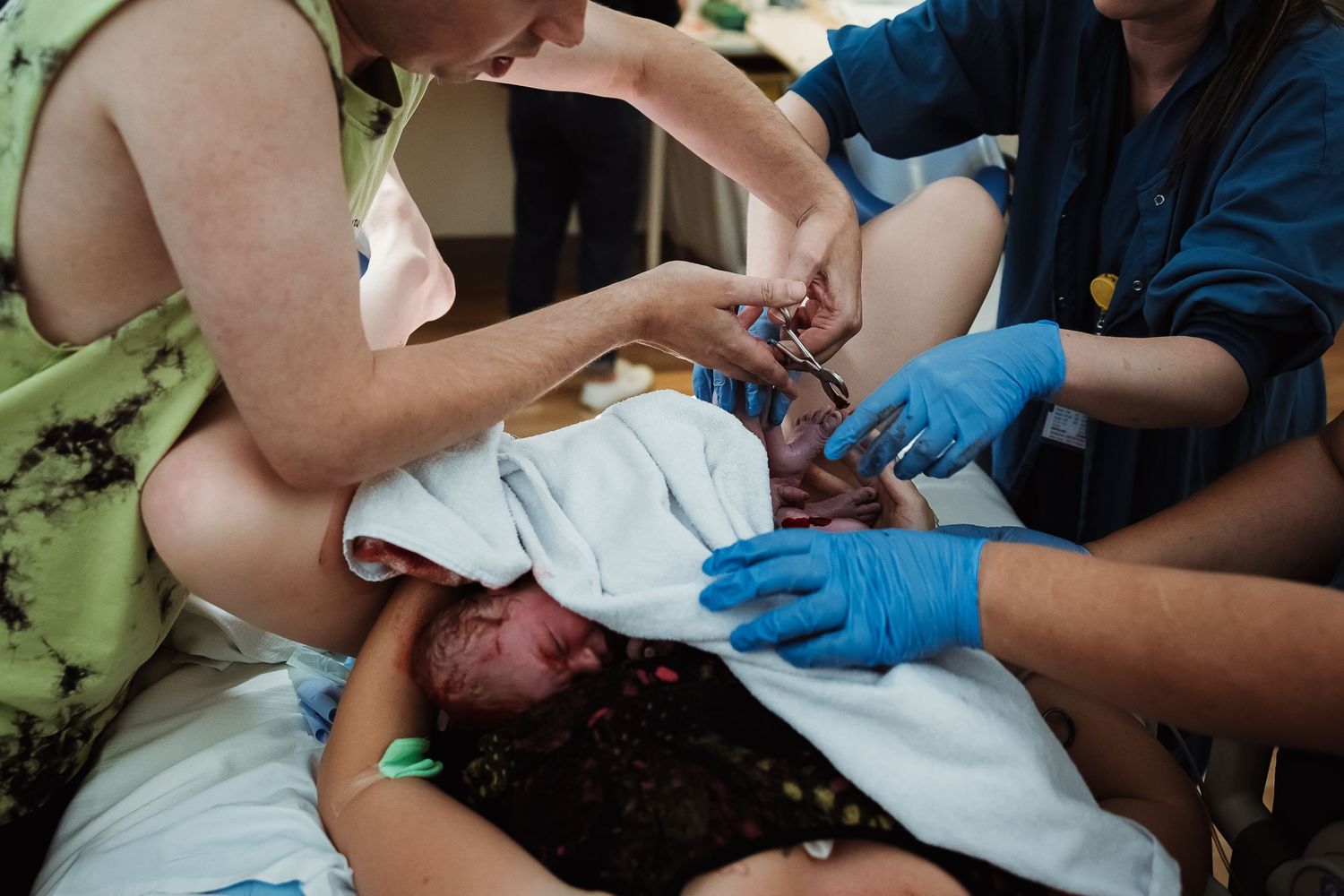
Sarah was beyond exhausted, barely speaking, just quietly holding her baby. Dad stood beside her, his hand on her shoulder, whispering that he loved her, kissing her forehead. The tenderness in that moment was beautiful. Because of the instrumental delivery, they needed to assess baby quickly, but Dad still got to cut the cord.
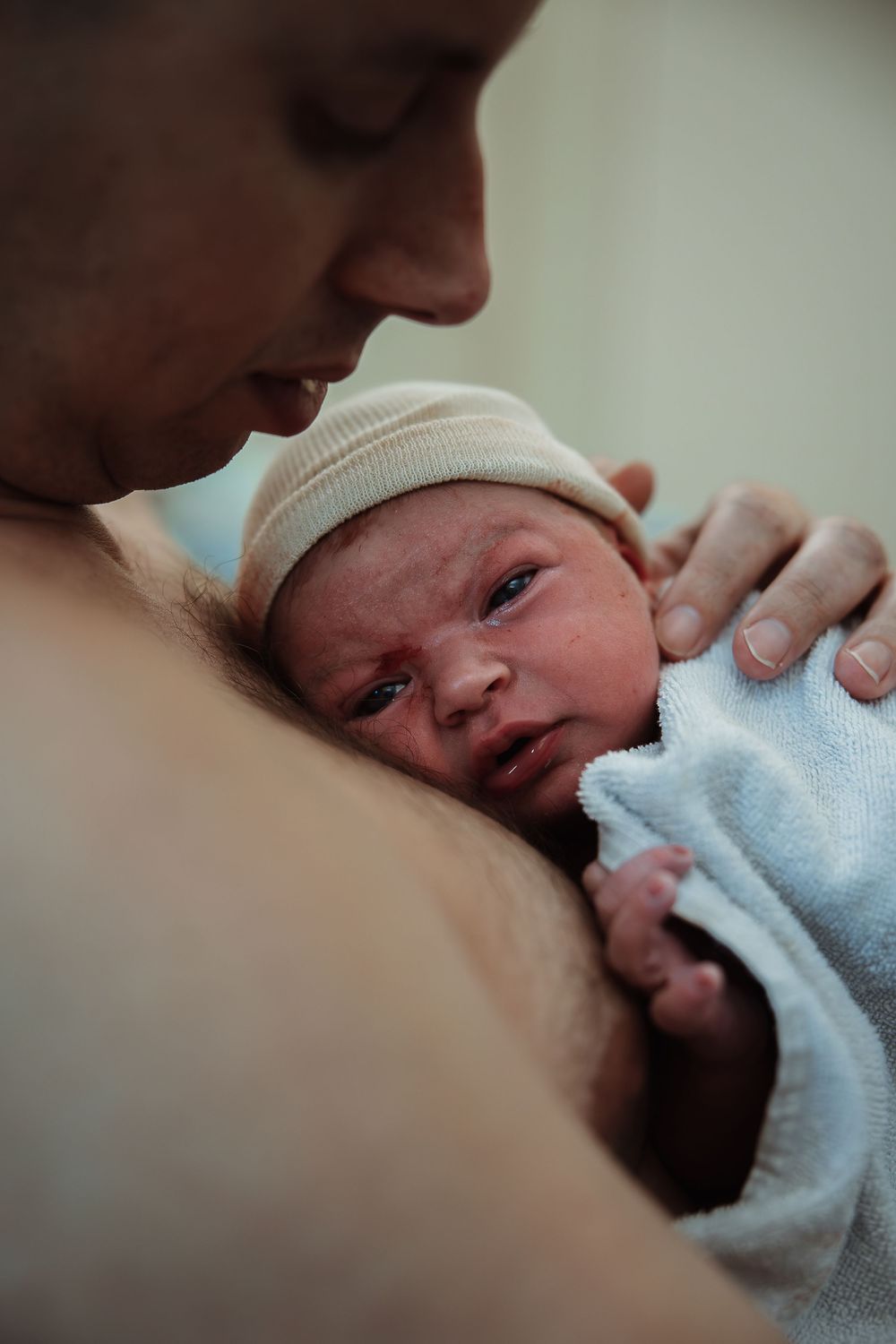
The next few hours were spent monitoring Sarah’s bleeding and stitching where needed. But when it didn’t settle, they prepared her for surgery to check for retained placenta. While she was being prepped, Dad had skin-to-skin time with their baby. At first, baby cried a lot, but he soon settled into his chest.
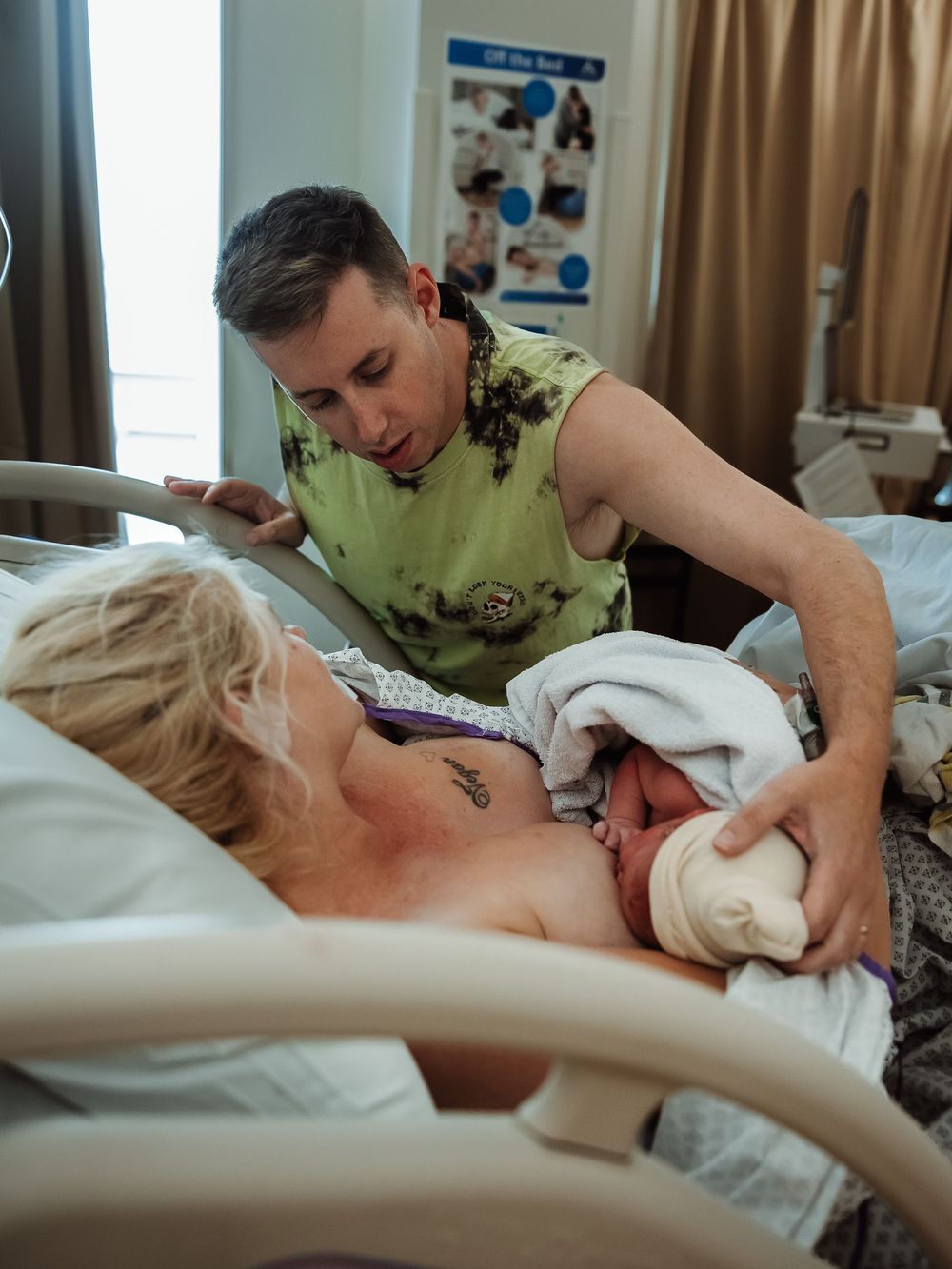
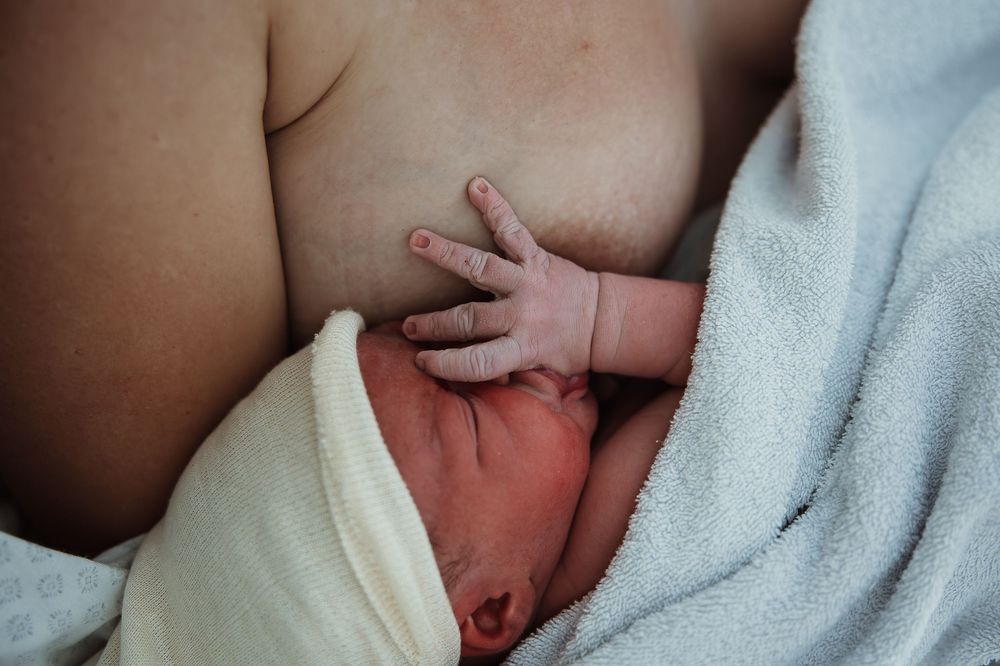
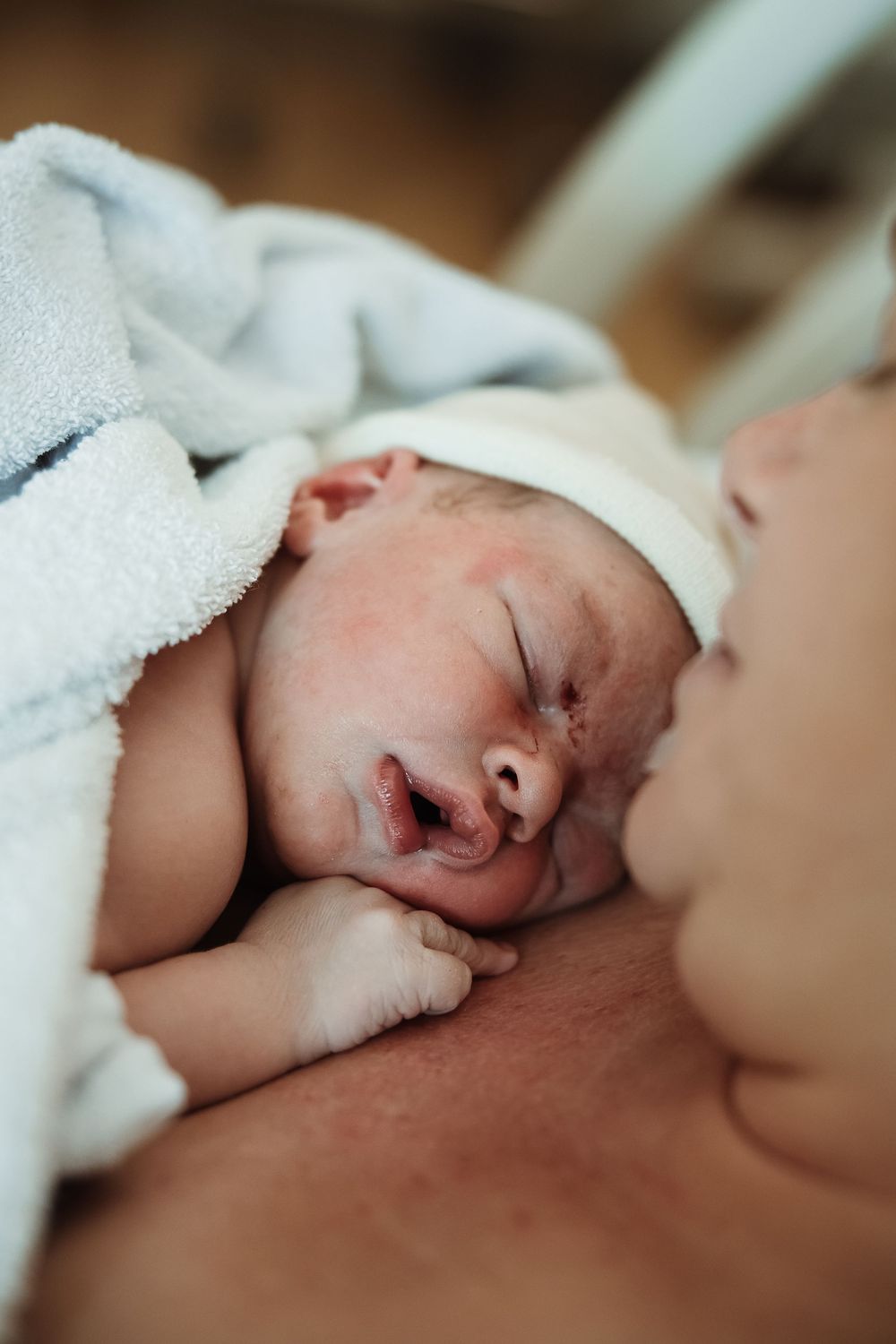
Even though she was completely exhausted, Sarah still managed to get baby latched before she was taken to theatre. He was already sucking his thumb, which I knew was a great sign for breastfeeding.
Why I Do This
In her review, Sarah said that having me there meant so much—not just for the photos (which she loved!), but because she felt seen, understood, and supported. She said my own experience made her feel like I truly understood what she was going through, and that helped her feel safe.
That’s one of the reasons I just love what I do. Birth is unpredictable, raw, and deeply transformative. And sometimes, just having someone there who truly gets it makes all the difference.